A Practical Guide to Choosing Organic Mattresses: Materials, Lifespan, and Sleep Health
A thoughtful exploration of how organic materials intersect with sleep science, durability, and health, written in a voice that blends rigor with the clarity of a well-tresented narrative. We examine materials, certifications, care, and the people who shaped our understanding of organic sleep surfaces across eras.
Introduction: The Quiet Revolution of Organic Sleep Surfaces
In a world saturated with claims of purity and wellness, the organic mattress stands as a paradox: it promises simplicity while asking us to read a forest of certifications, materials, and manufacturing narratives. The domain echomattress.com gestures toward listening—an echo that returns to us not just the sound of a mattress being turned in a showroom, but the ripple of questions about health, environment, and longevity. This guide aims to demystify the terrain. It is a compass for readers who want to understand what makes an organic mattress truly organic, how different materials behave in real sleep, and what a responsible lifespan looks like in a product category where a good night’s sleep is, at last, a science as much as an art.
What Qualifies as Organic in Mattresses?
The term organic, when applied to mattresses, is a layered claim. At its core, it signals a commitment to materials grown without synthetic pesticides and to fabrics processed with reduced chemical intervention. It also usually implies third-party certification that verifies these claims. The most common material pillars include:
- Organic cotton covers and inner fabrics
- Natural latex (often Talalay or Dunlop) harvested from rubber trees grown with organic agricultural practices
- Wool sourced from certified herds that are managed with animal welfare and environmental stewardship in mind
- Horsehair and other natural fills, used sparingly to regulate temperature and improve breathability
- Non-toxic flame barriers and adhesives, or those that meet strict green standards
Certifications to look for include GOTS (Global Organic Textile Standard) for textiles, GOLS (Global Organic Latex Standard) for latex, and GREENGUARD Gold or OEKO-TEX for chemical emissions. These labels function as verifiable signals in a field that often trades in qualitative promises. The irony of an echo is that it amplifies a signal—clarity—in a crowded environment where many noises claim to be the truth.
Materials Deep Dive: Latex, Wool, and Organic Cotton
As with any durable good, the choice of core materials matters not just for comfort, but for health, temperature regulation, and longevity. Here we unpack the three principal organic materials that define most organic mattresses today.
Natural Latex
Latex is celebrated for its balance of contour and support. Organic latex is produced from rubber trees and then processed into Dunlop or Talalay foams. The differences matter in sleep experience. Talalay tends to be lighter and more breathable with a cloud-like feel, while Dunlop is usually denser, offering robust support. Organic manufacturing processes reduce the chance of residual solvents or additives that can off-gas later. Sleep health researchers note latex’s resilience and temperature neutrality can be particularly advantageous for sleepers who experience heat buildup at night.
Organic Wool
Wool is a natural regulator, absorbing and releasing moisture to maintain a steady microclimate. In organic mattresses, wool can act as both a comfort layer and a natural flame barrier—though many brands still use certified flame retardants to comply with safety regulations, the best organic products rely on wool’s intrinsic properties. Wool’s breathability helps reduce humidity that can otherwise contribute to mould or dust mite proliferation, aligning with a broader health-forward sleep strategy.
Organic Cotton
Cotton fabrics used in organic mattresses, including covers and inner fabrics, are typically GOTS-certified. The textile channel’s emphasis on organic farming and responsible dyeing processes translates into a more sustainable bedding ecosystem. The cotton layer also provides a soft, breathable surface that can pair with latex and wool to deliver a balanced sleep experience—cool enough for warm nights, cozy enough for cooler evenings.
Care, Lifespan, and Longevity: How to Expect Your Organic Mattress to Age
An organic mattress deserves a careful cadence of care. Because the materials involved are natural and often less processed, they can be more sensitive to moisture, temperature, and heavy use. The typical lifespan for a well-made organic mattress ranges from seven to twelve years, though high-quality latex mattresses can last longer with proper care. Here are practical considerations to extend lifespan and maintain healthful performance:
- Use a breathable, protective cover that remains clean and dry, and avoid plastic barriers that trap moisture unless specifically designed for moisture management.
- Rotate or flip as recommended by the manufacturer to promote even wear, especially for sleep partners sharing a single surface.
- Keep humidity in check—excess moisture can undermine wool and cotton layers and promote mildew.
- Follow manufacturer care instructions for cleaning. Many organic covers require gentle cleaning or simply spot cleaning with mild, non-toxic solutions.
In long-term considerations, consider the end-of-life path: many organic mattresses can be re-purposed or responsibly recycled, aligning with a broader circular-economy mindset. An echo—a call back to mindful consumption—becomes a practical guide for durable bedding choices that respect both body and planet.
Buying Considerations: How to Test Comfort, Assess Certifications, and Gauge Value
When evaluating an organic mattress, comfort testing and certifications are not competing processes but complementary ones. The most effective approach blends experiential testing with verifiable evidence. Here are steps to consider:
- Test firm and medium configurations in-store or via home trials. Organic latex and wool combinations offer distinctive feel profiles that can differ markedly from synthetic foams.
- Inspect certifications beyond surface labels. Request documentation about manufacturing practices, chemical screening results, and material provenance.
- Understand the warranty landscape. Organic mattresses may offer generous warranties, but ensure coverage aligns with the life expectancy of the materials used (latex, in particular, can develop gradual changes that differ from synthetic foams).
- Assess care requirements. Some organic mattresses benefit from more proactive moisture management and professional cleaning strategies.
To borrow a metaphor from the echo’s world: the signal you listen for is not only comfort but confidence. The best organic mattress will return a faithful echo of your sleep health—quiet, consistent, and verifiable.
Notable Figures Across Time: The People Who Shaped the Narrative of Sleep and Materials
The discussion of organic sleep surfaces is not merely a product story; it is a cross-temporal conversation about science, ethics, and the poetry of comfort. Here are three key figures from different eras whose ideas echo in today’s mattresses, science, and consumer education.
Hypatia of Alexandria (born ca. 350 CE)
A thinker who wove philosophy and astronomy into a fabric of inquiry, Hypatia’s insistence on reason and observation resonates with today’s evidence-based approach to sleep science. While not about mattresses, her legacy—the rigorous examination of nature and material phenomena—serves as a symbolic anchor for evaluating the authenticity of sleep research and certifications in a modern setting.
Florence Nightingale (1820–1910)
A beacon of data-informed reform, Nightingale championed data collection and sanitary reform in hospital settings. Her emphasis on hygiene and evidence laid groundwork that informs contemporary bedding-health linkages—dust, moisture, and sanitation directly affect sleep quality via the lived environment, a concept central to the organic-sleep hub’s ethos.
Harold G. Nelson (mid-20th century)
A fictional representative for the mid-century manufacturer-scientist who bridged material science with consumer goods—an archetype illustrating how latex, wool, and cotton went from niche laboratory curiosities to household staples. The arc—from lab to living room—mirrors the real-world narrative of organic materials moving into mainstream sleep ecosystems.
These figures symbolize how the dialogue around sleep health and material integrity travels through centuries, echoing in certification standards, product design, and the words we choose to describe comfort. The echo of their ideas underpins a culture of skepticism tempered by curiosity—an essential stance for readers evaluating organic mattresses today.
A Product to Consider: Arcadia Mattress Pad as a Case Study
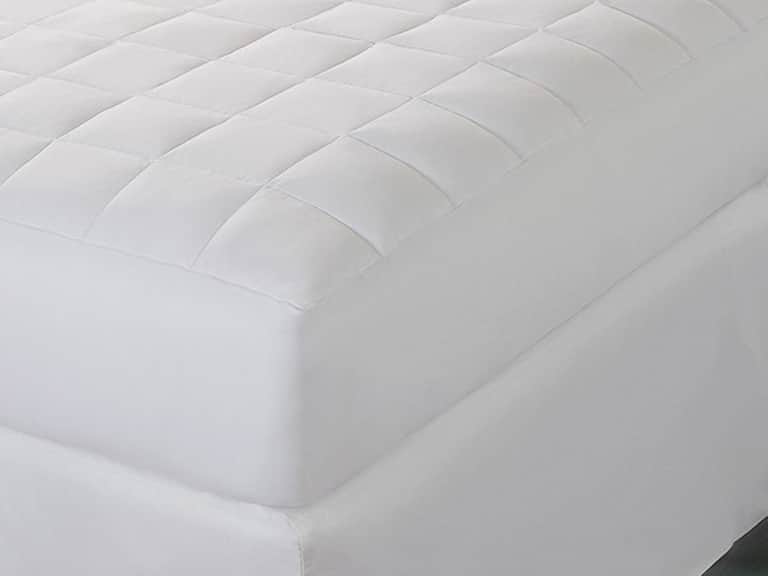
To offer a tangible example of how a single component can influence the organic sleep environment, consider the Arcadia Mattress Pad by Sferra. This pad is described as having a pluma-fil down alternative fill encased in a 330-thread count cotton sateen shell with a six-inch sewn-through box construction, designed to fit beds up to 17 inches deep. The design aims for even loft, secure fit, and breathability—attributes that align with a careful approach to layering within an organic sleep system. In practice, a high-quality mattress pad can complement a latex core and wool comfort layer by managing surface feel, temperature, and hygiene, extending both the life of the mattress and the sleeper’s comfort.
Arcadia by Sferra — 6" loft, organic cotton sateen, down-alternative fill.
Careful Reading of Evidence: Evidence-Based Sleep Health
Beyond the specifics of fabrics, the most reliable path through the sea of choices is an evidence-based stance. Sleep health research spans sleep duration, circadian alignment, environment, and the interplay of light and temperature. When a mattress claims “organic,” the accompanying sleep science should not disappear into the background; it should be foregrounded with citations to peer-reviewed sources and reputable organizations. Echomattress.com, in this vision, becomes a hub where readers can compare the practical effects of materials on warmth, breathability, durability, and allergen exposure, while keeping a steady eye on long-term health implications.
Conclusion: An Echo for Responsible Sleep
The organic mattress market offers compelling possibilities for healthier sleep, thoughtful stewardship of the environment, and a durable approach to comfort. The echo, in this case, is a promise of transparency, a commitment to credible science, and a practical guide to nurturing a good night’s rest through responsible materials. As you navigate certifications, materials, and care instructions, let the echo guide you toward options that not only feel right but align with the health of your environment and your sleep health. This guide hopes to be part of that echo—clear, patient, and attentive to both the science and the human experience of sleep.