Sleep science and mattress education
What to Look for in a Luxury Natural Latex Mattress
A latex mattress can be natural in material and still feel wrong for the person sleeping on it. Construction, firmness, ventilation, and the way the layers work together matter at least as much as the label. Here is a practical way to evaluate a higher-end mattress—including options from brands such as Obasan—without mistaking a price tag for proof of quality.
Luxury is an accommodating word. It can describe fine materials, careful workmanship, a thoughtfully adjustable design, or simply the feeling that an object has been presented with confidence. In mattress shopping, the word is asked to do a great deal. It may suggest natural fibers, meticulous construction, durable materials, or a night’s sleep made newly serene. Those things are possible, but the label alone cannot tell you whether the mattress will suit your body, your room, or your habits.
Natural latex mattresses are particularly easy to romanticize. Latex has a distinctive, buoyant response; it tends to compress under pressure and recover quickly when that pressure lifts. Depending on the formulation and construction, it can feel springy, gently contouring, firm, or surprisingly yielding. A mattress built around latex is not a single, standardized experience. Two beds can share the same broad material description and differ substantially in layer arrangement, firmness, cover, ventilation, and support.
The useful question is not whether a mattress sounds luxurious. It is what, specifically, its construction is designed to do—and whether that design makes sense for the person who will sleep on it. A clear evaluation begins with the materials, but it does not end there.
Start with the construction, not the adjective
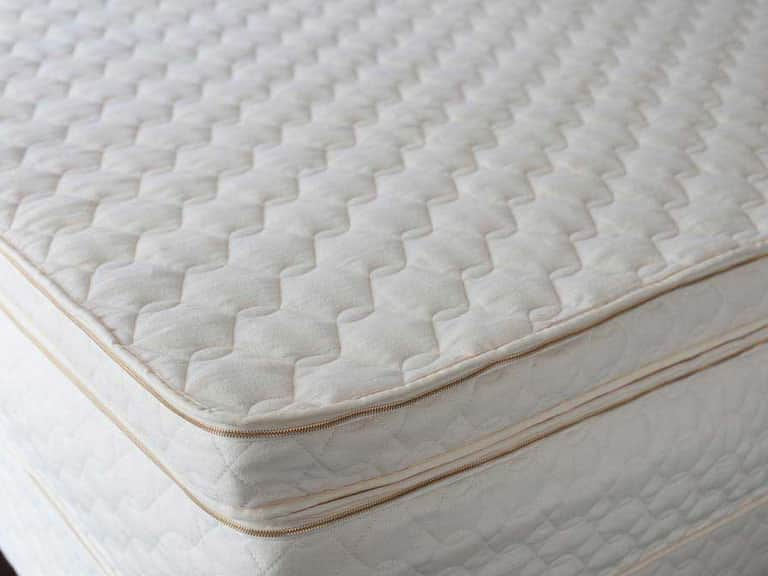
A mattress is a system of layers. Each layer changes how the bed responds to weight and movement, and the order in which those layers are arranged matters. In a natural latex mattress, a latex core may provide most of the support, while thinner comfort layers alter the initial feel and help distribute pressure. Other designs may combine latex with wool, cotton, or additional materials in a cover or quilted top.
Ask for a clear account of the mattress from top to bottom. What is the thickness of each layer? Is the latex used throughout, or only in part of the mattress? What lies between the latex and the sleeping surface? Is the cover removable, and, if so, is it intended to be washed or only spot-cleaned? A manufacturer’s description that names materials but leaves their placement unclear gives you less information than it may appear to.
Thickness can offer context, but it is not a reliable shortcut to quality or comfort. A deeper mattress is not automatically more supportive, and a thicker latex layer does not guarantee better pressure relief. The result depends on the material’s firmness, density and resilience, as well as the sleeper’s size, preferred position, and the surface beneath the mattress. Treat dimensions as one part of the construction story—not as a score.
Construction details also help distinguish a complete mattress from a component designed to change another bed’s feel. For example, the Savvy Rest Harmony Latex Topper combines a three-inch layer of natural Talalay latex with wool batting and an organic cotton cover. A topper can add cushioning or alter the feel of a mattress, but it is not interchangeable with a mattress core. If you are comparing products, be sure you are comparing the same kind of thing.
Understand what “natural latex” tells you
Latex is made from rubber, but mattress terminology can be imprecise. A description may refer to natural latex, synthetic latex, or a blend. “Natural” is a useful starting point, not a complete specification. Look for details about the composition of the latex itself and check whether the manufacturer identifies the processing method and any relevant certification. If a claim is important to your decision, ask for documentation rather than relying on a broad marketing phrase.
Natural latex is often made using one of two common processes: Dunlop or Talalay. These terms describe different manufacturing methods, not a simple ranking in which one is universally superior. Dunlop latex is often described as having a denser, more grounded feel, while Talalay latex is commonly associated with a lighter, more consistent and buoyant response. But formulations, layer thickness, and firmness can complicate those general impressions. The best comparison is a specific mattress in the configuration you intend to buy.
It is also worth separating material claims from health claims. A particular fiber or latex source does not, on its own, establish that a mattress prevents allergies, treats pain, or improves a medical condition. Sleep comfort is individual, and persistent sleep difficulties or pain deserve appropriate clinical advice. A responsible product description should explain what is in the bed without promising outcomes it cannot substantiate.
Certifications can help clarify certain aspects of materials or manufacturing, but they are not all equivalent. Read the scope of a certification and determine whether it applies to the latex, the finished product, a textile component, or a manufacturing process. A mattress may carry several certifications, each answering a different question. None can tell you whether its firmness or contour will feel right to you.
Firmness is personal—and only partly standardized
Firmness is among the most visible features in mattress listings and among the least universal. A rating such as “medium” is a convenient label, but there is no single scale that every maker uses in the same way. One company’s medium may feel firm to a lighter sleeper and much softer to someone who places more weight on the surface. Body proportions, sleep position, and sensitivity to pressure all shape the experience.
It helps to distinguish firmness from support. Firmness describes the initial impression of the surface: how yielding or resistant it feels when you lie down. Support concerns how the mattress holds the body over time and whether its structure allows you to rest in a comfortable, stable position. A surface can feel soft yet support the body well; another may feel firm without being a good match for a particular sleeper.
For side sleepers, the shoulder and hip often press more deeply into the mattress. A surface that is too firm for an individual may create uncomfortable pressure at those points. Back sleepers may look for a surface that feels stable beneath the lower back without creating excessive pressure. Stomach sleepers may prefer a less yielding feel, though personal comfort still matters. These are useful tendencies, not rules: people vary, and many change positions overnight.
When comparing mattresses, test the exact model and firmness you would order, if an in-person trial is available. Lie down in your usual sleep positions rather than sitting on the edge or pressing a palm into the surface. Give yourself time to notice pressure, ease of movement, and whether your body feels comfortably settled. If you share a bed, both people should try it. A mattress’s quick rebound may feel welcome to one sleeper and too buoyant to another.
For online purchases, study the terms of the sleep trial before treating it as a guarantee of satisfaction. Check how long the trial lasts, whether there is a required adjustment period, how returns are arranged, and whether any fees apply. A generous trial can reduce the risk of buying without testing, but its value depends on the actual conditions.
Look beyond the label when comparing latex types
Natural latex is valued by many sleepers for its resilient feel. It responds promptly as you move, rather than slowly retaining an impression in the manner associated with some memory foam designs. That response may make turning over feel easier, though individual preferences vary. It can also provide a sense of lift that some people find comfortable and others find less enveloping than they want.
Latex can contour to the body, but “contouring” need not mean sinking deeply into the mattress. The degree of close conformity depends on the firmness and thickness of the latex layers, the cover’s construction, and the sleeper’s weight and shape. If you prefer a close, cradling feel, ask how the comfort layers are designed to behave. If you prefer a more buoyant surface, ask whether the mattress is likely to feel springy or resistant under movement.
Do not assume that a natural material is automatically cooler than every alternative. A latex layer may have a more open structure than some dense foams, and mattress designs may incorporate ventilation channels or perforations. But perceived warmth is influenced by the whole sleep setup: the cover, sheets, mattress protector, room temperature, humidity, bedding insulation, and the sleeper’s own comfort. Ask how the finished mattress is built, and consider the fabrics and accessories that will sit on top of it.
Ventilation is a design feature, not a promise
Airflow is often mentioned in discussions of latex and temperature. It is useful to ask how the mattress is ventilated, but a claim that a bed “sleeps cool” is not a guarantee that it will feel cool to every person. A mattress does not regulate the room around it, and no material can remove all the effects of heavy bedding, a warm bedroom, or individual differences in temperature sensitivity.
Consider the mattress as a whole. Is the latex solid or perforated? Does the cover use a tightly quilted construction, and what fibers are incorporated? Are there multiple layers that might affect how heat and moisture move through the bed? Does the manufacturer recommend a slatted base or another support surface that permits airflow beneath the mattress? These details give a more meaningful picture than a single cooling claim.
Ventilation also has a practical side. The support system should be compatible with the mattress and should meet the maker’s requirements for spacing and structural stability. A mattress placed on an unsuitable base may not perform as intended, and inadequate support could affect durability or warranty coverage. Before buying, confirm that your existing foundation is appropriate—or include the cost of a compatible one in the decision.
Evaluate craftsmanship and explainable details
Craftsmanship is easier to assess when a maker can describe it plainly. Ask where the mattress is assembled, how its layers are secured, whether components can be rearranged or replaced, and what quality checks are performed. These questions are not an invitation to accept a romantic account of handwork in place of evidence. They are a way to understand how the product is made and what happens if something goes wrong.
For a configurable mattress, find out which parts are adjustable and how that adjustment works. Some designs let owners change the arrangement or firmness of individual layers; others are fixed. Flexibility may be helpful for people whose preferences differ across the bed or who are still learning what firmness suits them. It also means that instructions, replacement parts, and the ability to make changes matter. A feature is only useful if it can be used reliably.
Warranty language deserves a close reading. Check the length of coverage, the conditions for a claim, and the distinction between a manufacturing defect and ordinary changes in comfort. Confirm whether the warranty depends on using a particular foundation or a mattress protector. A long warranty can be reassuring, but it is not the same as a prediction of how comfortable the mattress will remain for you.
Natural materials may have distinctive characteristics, and a manufacturer should explain what variation is normal. Ask how to care for the mattress, whether it should be rotated, and whether it may be flipped. Not every mattress is designed to be turned over. Follow the specific care instructions rather than assuming that traditional advice applies to every modern construction.
Where Obasan fits into the comparison
People researching a luxury natural latex mattress may encounter Obasan alongside other specialist makers. The most useful way to consider any brand is to apply the same questions consistently: What materials are used? How are the layers arranged? What firmness options are offered? How is the mattress supported and ventilated? What are the trial, warranty, and care terms?
Brand names can help you identify a maker and find product information, but they cannot substitute for it. Compare the specifications of the actual models you are considering, not just the general reputation of a company or the broad category of “natural latex.” If one brand offers a modular design and another offers a fixed construction, compare the practical consequences of those differences. If the descriptions use different terminology, ask each maker to explain the construction in comparable terms.
It is also sensible to consider what a retailer can and cannot verify. A product page may summarize materials and features, while detailed construction information, certifications, and policies may live elsewhere. If the information is incomplete, contact the seller or manufacturer before purchasing. A considered purchase should not depend on guessing what “premium,” “organic,” or “luxury” means in a particular listing.
Care, durability, and the life of a mattress
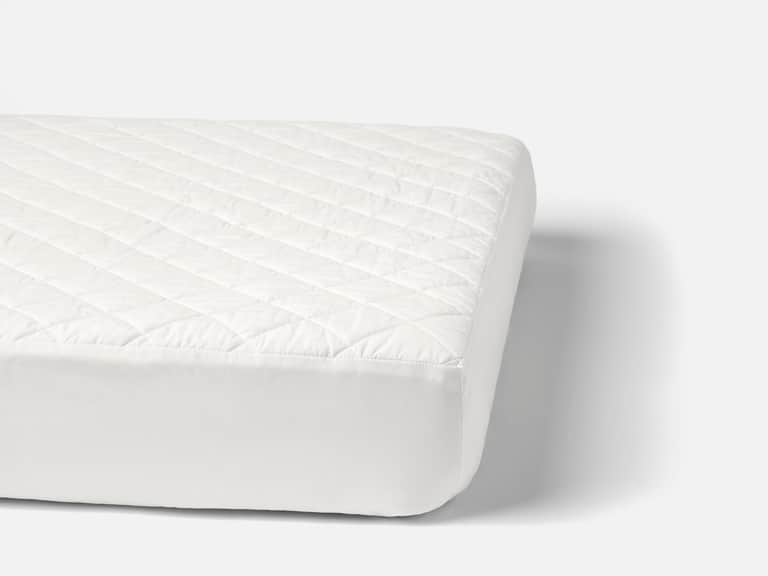
A well-made mattress still needs an appropriate setting and sensible care. Use a foundation compatible with the design, keep the bed reasonably dry, and protect it from spills according to the manufacturer’s advice. A breathable protector can help guard against everyday moisture and wear, but its fabric and construction may change the feel of the surface. If temperature or tactile sensitivity is important to you, consider the protector as part of the sleep system rather than an afterthought.
Latex is often associated with durability, but the life of a mattress depends on more than its main material. Layer thickness, construction, use, support beneath the bed, and care all contribute. No mattress is immune to wear, and claims about longevity should be understood in the context of the warranty and the conditions under which it applies. Ask whether individual layers can be replaced if the mattress is modular, and whether those components are likely to remain available.
Natural materials may appeal to people seeking to understand what is in their bedroom, but sustainability is a broad subject. Material sourcing, processing, transport, product lifespan, and end-of-life options all contribute to a mattress’s environmental footprint. A single “eco-friendly” descriptor cannot capture all of these factors. Look for concrete, verifiable information, and decide which aspects matter most to you.
A practical checklist before you buy
Before committing to a higher-priced mattress, pause over a short set of questions. The aim is not to turn a private decision into an audit. It is to make sure that the features you are paying for are both real and relevant to your sleep.
- Materials: Is the latex natural, synthetic, or blended, and are other major layers identified?
- Construction: What is the thickness and position of each layer? Is the model fixed or configurable?
- Feel: Which firmness options are available, and can you try the specific configuration?
- Sleep position: Does the mattress feel comfortable at the shoulder, hip, back, or other pressure points in your usual position?
- Movement: Does the resilient response make it easy to turn, and does it suit everyone sharing the bed?
- Ventilation: What features support airflow, and what foundation does the maker recommend?
- Care: What are the cleaning, rotation, and maintenance instructions?
- Policies: What are the real conditions of the trial, return policy, and warranty?
- Evidence: Are claims about materials, certifications, or performance described clearly enough to verify?
It can help to keep notes as you compare options. Record the model, firmness, materials, trial period, and the impressions you have when testing it. The process is less glamorous than the language often surrounding luxury mattresses, but it is more likely to produce a useful decision. A bed should make sense in the particular room and life it will occupy—not merely in a product description.
The best mattress is the one that fits the sleeper
A luxury natural latex mattress is not defined by one material, a famous-sounding process, or a high price. Its value lies in the alignment between its construction and the needs of the person sleeping on it. Natural latex may offer a resilient, responsive feel; a carefully designed combination of layers may distribute pressure in a way you find comfortable; a clear warranty and useful care instructions may make ownership more straightforward. Each benefit should be considered on its own terms.
Ultimately, a mattress is a quiet, highly personal object. It is asked to support a body through hours of movement and stillness, night after night, while largely disappearing from thought. That is a high standard for any product. Look past the grand language, ask specific questions, test the feel where possible, and compare like with like. Whether the name on the label is Obasan or another maker’s, the construction and the fit—not the aura—should decide the matter.