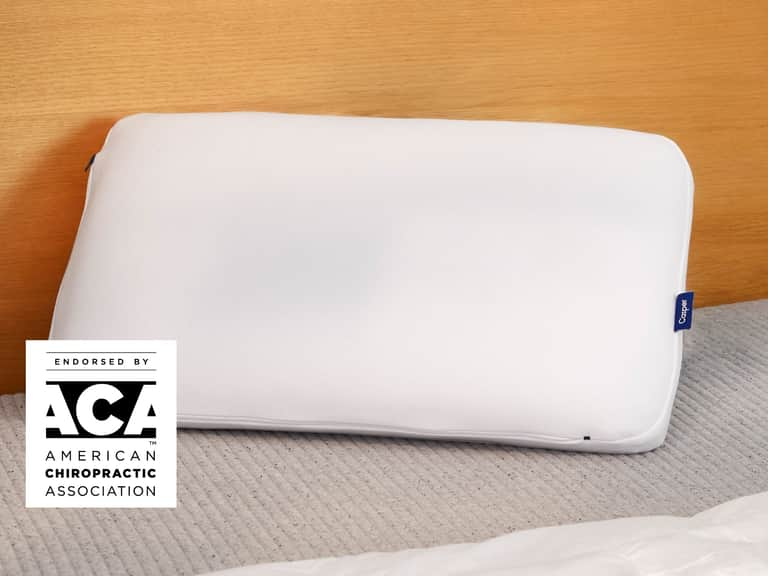
Pillows influence head and neck alignment, pressure distribution, and overall comfort during sleep. Their shape, height, and materials affect how they feel for different sleeping positions and personal preferences. As part of bedding, pillows also work alongside sheets and mattresses, including organic mattresses, to support a comfortable and consistent sleep environment.
Memory foam pillows are known for responding to body heat and pressure, creating a close, supportive feel that can help cushion the head and neck. Pillow designs vary in firmness, loft, and contour, so these characteristics are useful to consider when comparing options for side, back, or stomach sleeping.
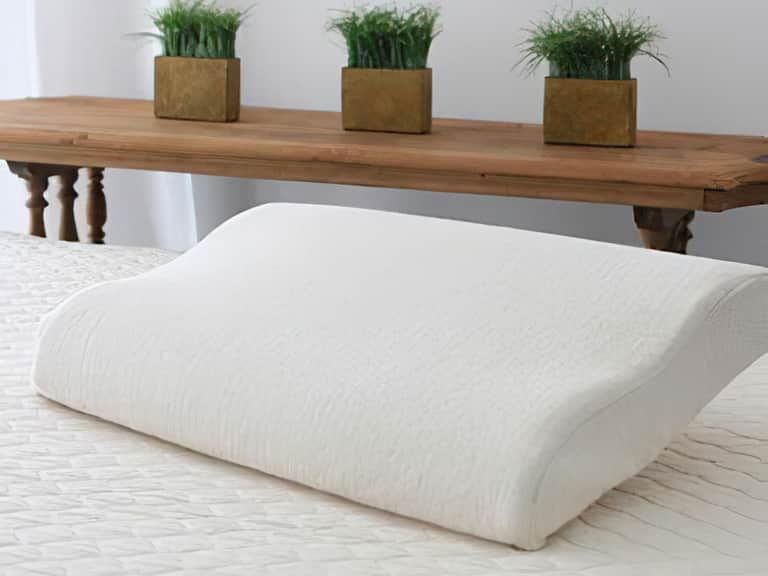
The Savvy Rest Organic Latex Contour Pillow combines an ergonomic contour shape with organic latex. Its curved profile is designed to cradle the head while supporting the neck, making it relevant to people seeking a more shaped alternative to a traditional flat pillow. Latex offers resilient support rather than a slow-sinking feel.
The Hybrid Pillow brings together different materials or construction elements in one pillow design, with the aim of balancing cushioning and support. Its functional role is to provide a versatile sleep surface for people who prefer a feel between distinctly soft and firm options. Specific comfort and loft preferences still depend on the sleeper.
When evaluating pillows, consider sleeping position, preferred loft, material response, and care requirements. A pillow that keeps the head and neck comfortably supported may complement bedding such as breathable sheets and an organic mattress. Comparing these factors helps clarify how memory foam pillows, latex contours, and hybrid designs differ in everyday use.
 Bedding